
Let's Talk About Drought.
Yep, I know there's snow on the ground. No, it's not enough.

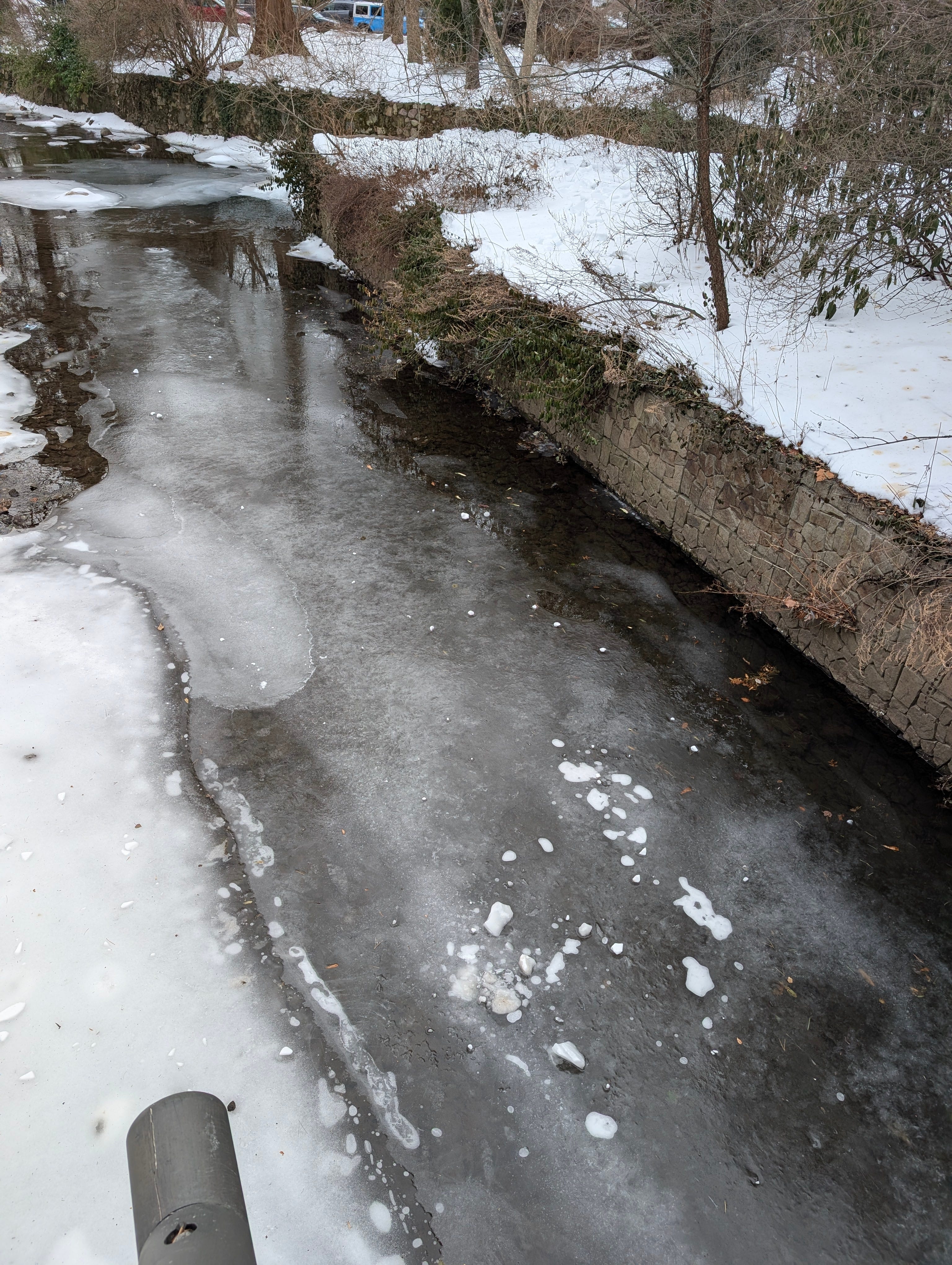
Due to climate change, we here in NJ have had stupid hot summers, mild winters, and not nearly enough rain or snow.
Yes, there’s snow that hasn’t melted. That snow represents about 1.5” of rain. We are down about 3.7” inches since November. While it doesn’t seem like we’re down that much, it is a lot. Because we appear to be on a trend of less rain/snow and hotter summers. We are in a drought, we really haven’t gotten much rain or snow. And spring is coming. When people and plants come back to life and water demand goes up.
We are in a drought. Don’t believe me? Go here.
And here. An excerpt:
Drought in the Mid-Atlantic
The climate of the Mid-Atlantic is characterized by cold winters and warm, humid summers, though conditions vary considerably with the diverse topography of the region. While the focus of water management in the Mid-Atlantic is often on flooding and excess precipitation, drought can and does occur. Most states in the Mid-Atlantic regularly experience rapid-onset incidents of abnormally dry conditions and moderate drought. The 1960s multi-year drought “of record” for the region stretched from West Virginia to southern New England. Impacts from this drought included fish kills and salt water intrusion issues along the Delaware River Basin, as well as significant concerns about drinking water supplies in northern New Jersey and Delaware. Over the last few decades droughts in the region, such as in 1999–2002 and most recently in 2024–2025, have resulted in crop production losses, water use restrictions, and increased wildfire risk.
Across the Mid-Atlantic, annual precipitation is projected to increase over the next century. However, naturally occurring seasonal droughts will also continue to be a part of the climate, even if precipitation increases. Such droughts are projected to be more intense because of higher temperatures, changing precipitation patterns, and loss of soil moisture.
We are in a drought warning and our drinking water is at risk.
We are a step away from a drought emergency. Which would mean restrictions. No lawn watering, no car washing in your driveway, maybe no pool filling, no plant watering with only a few exceptions. And most of these would come with fines. Personally, the only that will probably get you a fine is your grass. If it’s green, it’s been watered. Kinda hard to hide that.
So what can you do?
Do let the faucet run when washing dishes, brushing your teeth, etc… Use the dishwasher over hand washing and only run it when full. Only run the washing machine when full. Need to get a DW or washing machine - buy the most water efficient ones available. This is not going away.
If you have to wash your car, go to a commercial car wash, they recirculate and filter the water. Don’t water your lawn. It will go dormant and come back. You know my thoughts on lawns. Mulch and more mulch. Think about grey water. This is water from your sink and washing machine. Your plants won’t care so long as you aren’t using harsh cleaners. A little dish soap or laundry detergent won’t hurt. Some towns have reqs on this. My opinion is they need to be updated for the world we live in now. Also, I am not talking about black water - that’s from your toilet and should never be reused. Get a rain barrel and mosquito dunks. Use water you can get from the roof to water your non food garden. I wouldn’t use rainwater from a roof on a food garden. Bits of asphalt, bird poo, and the petrochemicals from the roof shingles…I would err on the side of caution.
Plant drought tolerant natives. (Yup had to tie it into plants!) Yes you need to water them until established, but after that, they send down roots DEEP! They find their own water and most can survive. Look especially at prairie species native to your area.
Go here to find drought tolerant local plants.
A bit of good news for you to look forward to?
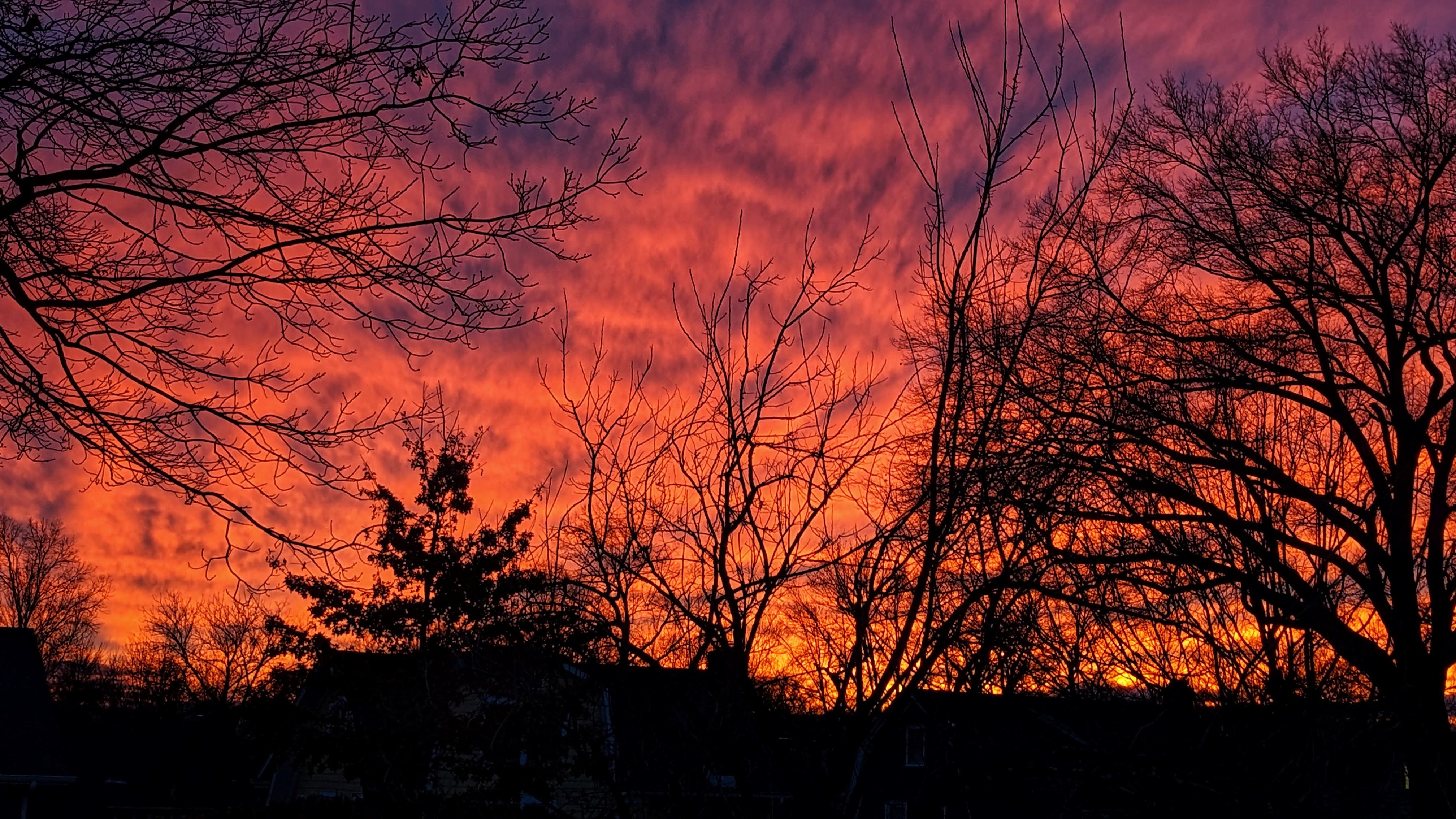
In one month, the sun will set at 7pm.