

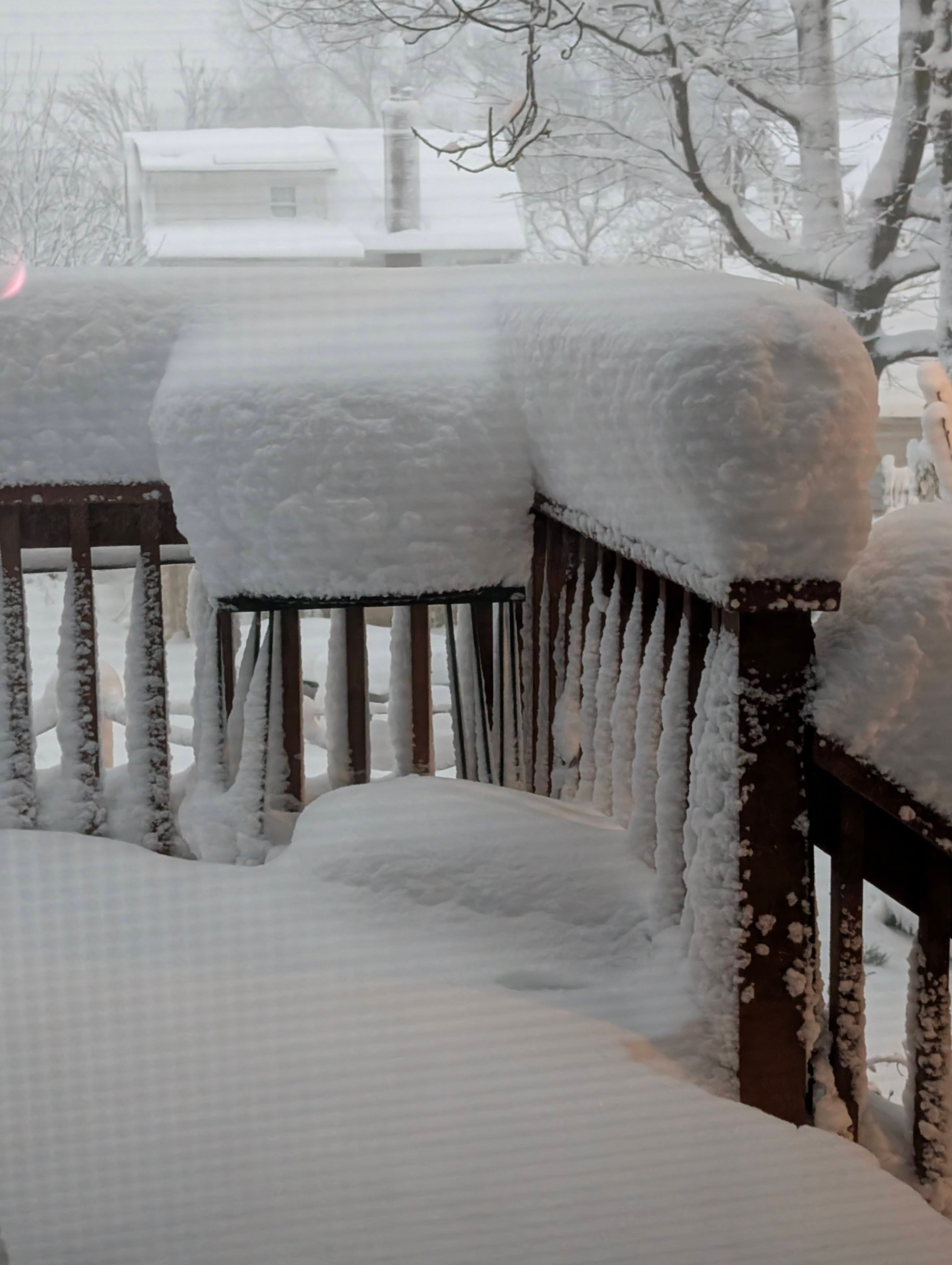
As much as I love snow, I’m done. Also, can I put in a request in that we get 24-36” of snow spread out over four months and not in one storm? And for every leap year, we get one whopper of a storm, so we can plan for it?
Back to the plants:
Generally, if your plants are herbaceous, and the above parts die back, but the roots don’t, they’ll be fine. Mostly. If they are native. If they are not native, or at the very edge of their range…it’s a roll of the dice. Much like people, plants have different genetics between the same plant type. Also, if the plant is under stress going into winter, that can also be a strike against it.
And I wrote an article about just this! It’s a quick read:
https://www.gardenista.com/posts/everything-need-know-snow-garden/
Why is snow good for plants?
It insulates. It keeps the soil temp steady and stops the freeze/thaw cycle that can uproot plants. Think of it as winter mulch for free.
It hydrates. As it melts and the ground thaws, the water replenishes the groundwater.
When it’s bad for plants?
For those plants that have structures above the soil line - trees & shrubs.
I went on a walk today. So many young trees and shrubs damaged by the weight of the snow. The article above explains how to remove snow safely and what to do with ice from an ice storm. And how to reduce injury in the future.
In my fb gardening group, a member asked about what to do with arborvitae uprooted by the weight of the snow. I explained the only option for trying to save them was to upright them and stake them. Meet all their needs for at least the next year, and hope for the best.
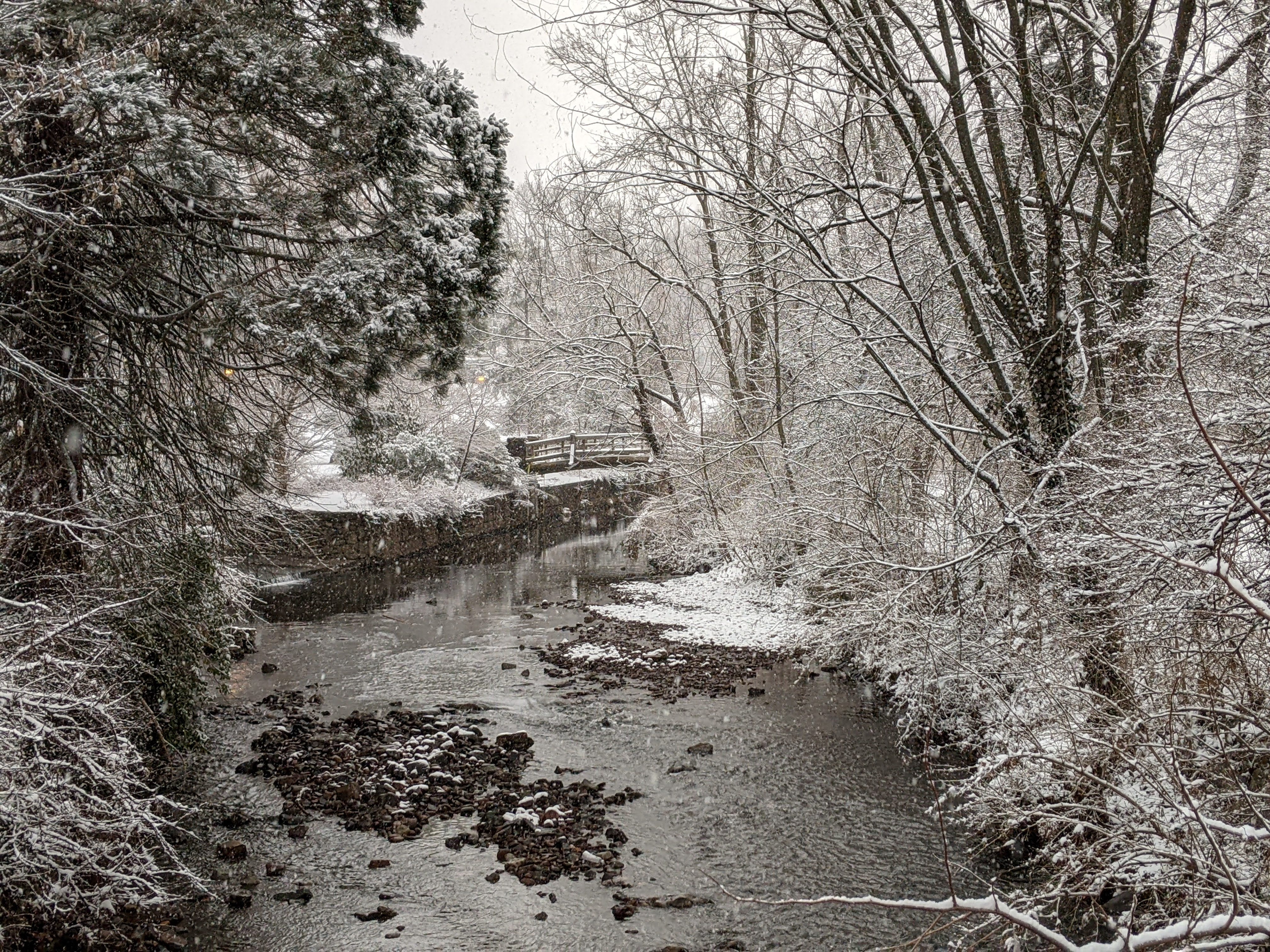
One thing that doesn’t get enough press is salt. We don’t want anyone to fall, but it’s harmful to plants and the groundwater.
Here’s a good article from the master gardeners of Virginia and salt alternatives and native salt tolerant plants. Virginia is in 7a/7b - same as NJ.
https://mgnv.org/best-management-practices/winter-salt-impact-salt-tolerant-plants/